What Is a Hotel PIP? A Guide to Property Improvement Plans, Timelines and Compliance
You’ve just received a Property Improvement Plan from your hotel brand, and the clock is ticking. A PIP shapes your capital plan, brand relationship and property value for years. Here’s what it is, what triggers one, how long you’ll have and what happens if you fall behind.
What Is a Hotel PIP?
A hotel PIP (property improvement plan) is a formal list of renovations and upgrades a hotel brand requires a franchised property to complete, by a set deadline, to meet current brand standards. Brands such as Hilton, Marriott, Hyatt and IHG issue PIPs, and most must be completed within 12 to 24 months. Scope ranges from a soft-goods refresh to a full repositioning of rooms, public spaces and building systems.
What Triggers a PIP?
- Franchise renewal. Brands typically require a PIP as a condition of renewing.
- Sale or change of ownership. A buyer keeping the flag usually receives a change-of-ownership PIP, often negotiated as part of the deal.
- Brand conversion. Moving to a new brand comes with a PIP to meet that brand’s standards.
- Quality inspections. A poor brand audit can prompt required corrective work.
- Brand standard updates. New prototypes or standards phase existing properties into compliance.
How Long Does a PIP Take?
Brands typically allow 12 to 24 months, and deadlines are often negotiable before the PIP is finalized. The real schedule risk is lead time: brand-specified case goods can take 20 weeks or more, so procurement often starts before design is complete. Occupied hotels take longer because rooms come out of inventory in phases.
What Happens If You Miss a PIP Deadline?
Consequences depend on your franchise agreement, but the path is usually similar:
- Default notice. The brand formally notifies the owner that required work is incomplete.
- Cure period. The owner gets a window to finish the work or present an acceptable plan. Extensions are sometimes granted when owners communicate early.
- Penalties. Agreements may allow fees, withheld services or other financial consequences.
- Termination. In serious cases, the brand can end the franchise, which may trigger liquidated damages and cost the hotel its flag, reservation system and loyalty program.
The best protection is talking to the brand early, before a deadline is at risk.
Common PIP Requirements
- Guest rooms and public spaces: case goods, soft goods, flooring, lighting, bathroom upgrades, and lobby, fitness and meeting spaces.
- Building systems: HVAC and energy efficiency, life safety, ADA accessibility, signage, security, property management systems and Wi-Fi.
A Strategic Approach to PIP Compliance
- Assess before you agree. Compare PIP items against your property’s condition and competitive set before the scope is final.
- Engage the brand early. Brands are often open to approved alternatives, phased scopes or adjusted timelines when asked up front.
- Budget with contingencies. Plan for 15–20% contingency, escalation, soft costs and revenue lost while rooms are offline.
- Phase the work. Keep the hotel operating and protect the guest experience.
PIP Market Outlook
PIP activity rises when deferred renovations and franchise renewals cluster, and brands keep tightening standards around technology and sustainability. With more owners competing for the same contractors and materials, earlier planning pays off whatever year your PIP arrives.
Real PIP Challenges and How We Solved Them
- Scope creep during demolition. Opening walls revealed code issues not in the PIP. We documented conditions, priced options and resolved them with the brand and owner without derailing the schedule.
- Lead times threatening the deadline. Brand-specified case goods carried a 20-week lead time. We proposed brand-approved alternatives and kept the project on track.
- Staying open during a lobby renovation. Phased construction, temporary guest paths and off-hours work kept the property open and guests comfortable.
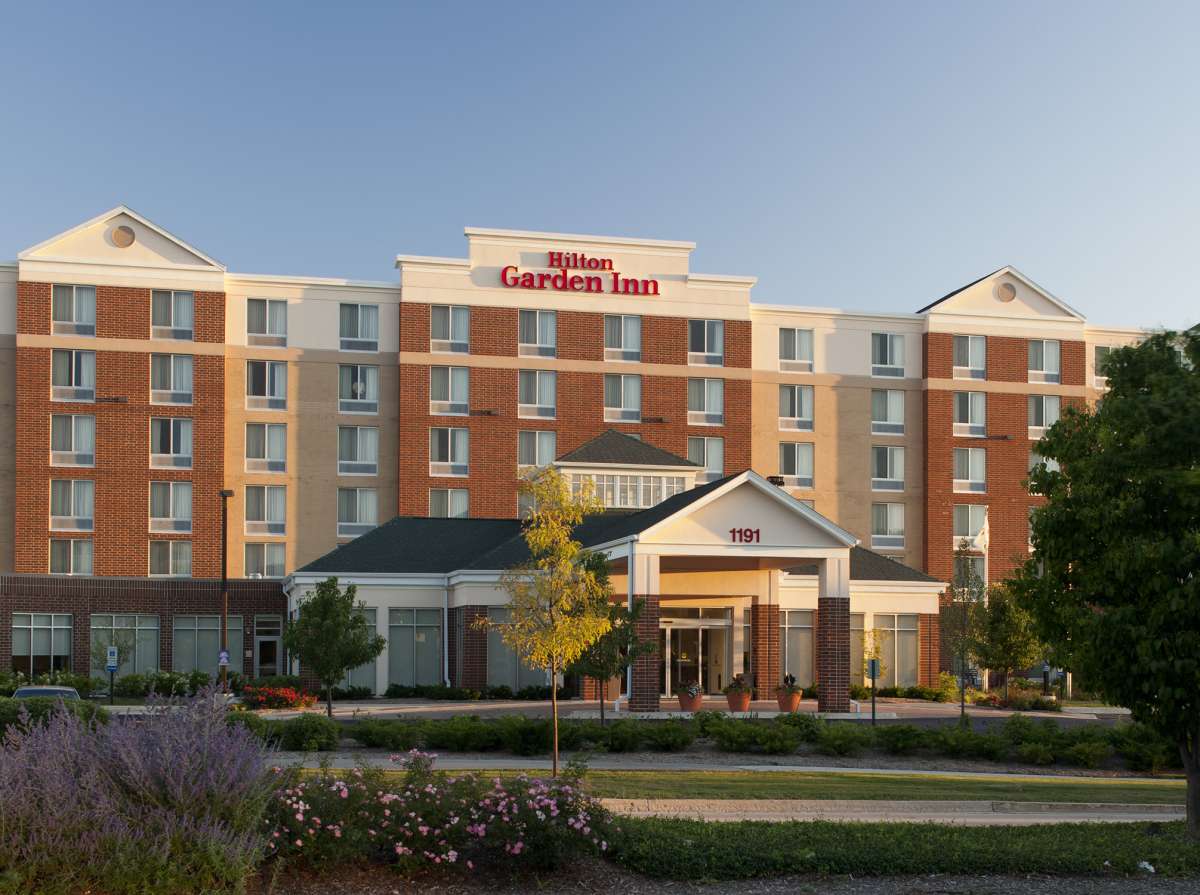
At a larger scale, we managed nine Hilton-branded renovations at once. All nine opened on schedule, within budget and to Hilton’s brand standards.
Frequently Asked Questions
What does PIP mean in the hotel industry?
Property improvement plan: a brand-required list of renovations a franchised hotel must complete by a deadline to meet brand standards.
How long does a hotel PIP take?
Typically 12 to 24 months, depending on scope, material lead times and whether the hotel stays open.
Can PIP requirements or deadlines be negotiated?
Often, especially during a sale or renewal. Owners can request approved alternatives, phased scopes or extended timelines; flexibility varies by brand.
What happens if a hotel misses its PIP deadline?
Typically a default notice and cure period, then possible penalties and, in serious cases, franchise termination.
Work With Glasswater Group on Your PIP
Glasswater Group has completed more than 225 projects valued at over $3.5 billion with 45+ leading hospitality brands. Whether your PIP comes from a renewal, sale or conversion, we’ll help you scope, negotiate and deliver it. Explore our hospitality project management services, browse our portfolio, or contact our team.