.svg)

A senior living renovation can be one of the most complex project types in the development world. Unlike a vacant commercial building or a hotel under full closure, a senior living facility is an active care environment. Residents live there. Staff work there every day. Services, meals, medical support, memory care, and social programming, never stop.
According to Senior Housing News, nearly half of all senior living communities in the U.S. are 25 years or older, and new construction starts have reached historic lows. Operators aren't building their way out of aging inventory, they're renovating their way through it. With senior housing occupancy reaching 89.1% at the end of 2025, high occupancy during renovation is the standard condition. You can't easily relocate residents, and you can't afford to lose them.
So what should you actually expect when undertaking a senior living renovation? This guide breaks down the major phases, the most common challenges, and how strategic project management determines whether the outcome protects your investment or jeopardizes it.
Why Senior Living Renovations Are Uniquely Complex
Every construction project has complications. Senior living renovations have several layers that other project types simply don't face.
Residents Are Not Optional
In a hotel renovation, you can close wings and suspend bookings. In a senior living facility, the residents are home, many relying on the community for daily care. Relocation is often not feasible, and when it is, it carries significant financial and emotional costs. Construction must work around people who are present, often sensitive to noise and dust, and who depend on unchanged access to dining, common areas, and care services.
Regulatory and Licensing Complexity
Senior living facilities operate under layers of regulation: state licensing requirements, CMS standards, Life Safety Code (NFPA 101), ADA compliance, and local building codes. Renovation work that triggers a compliance review mid-project can cause costly delays, or jeopardize a facility's operating license. Our post on navigating local regulations and approvals details how these challenges play out across development projects, and the same principles apply in senior living.
Procurement Timelines and Specialized Products
Senior living environments require products built to specific durability, safety, and accessibility standards, many with extended lead times. Discovering a six-month lead time on a critical product after breaking ground is a schedule crisis, not a minor inconvenience. Strong pre-construction planning is what prevents it.
The Four Phases of a Senior Living Renovation
Phase 1: Pre-Construction and Planning
This phase determines everything that follows. Pre-construction for a senior living renovation should include detailed scope development, regulatory review, phasing strategy, procurement planning, budget validation with real supplier pricing, and a resident communication plan. The goal is to answer every hard question before construction begins, when answers are cheap and options are wide open.
Phase 2: Phased Construction Execution
In most senior living renovations, construction is staged across zones of the building while the rest of the facility remains operational. According to best practices for renovating without disrupting residents, smart phasing limits active construction to the smallest possible footprint at any given time. Effective strategies include:
- Wing-by-wing sequencing: Completing one section before moving to the next, so residents always have access to functional common areas and services.
- Off-hours scheduling: Reserving high-impact work, demolition, HVAC tie-ins, for evenings or weekends.
- Containment protocols: Controlling dust, noise, and odors through proper barriers and negative air pressure systems, particularly critical in memory care environments.
- Access preservation: Guaranteeing that dining areas, therapy spaces, emergency exits, and care rooms remain operational throughout the renovation.
Phasing must also account for staff workflows. Construction coordination that disrupts care delivery is a serious operational failure, not just a scheduling inconvenience.
Phase 3: Procurement and Installation
Materials must arrive when the relevant phase is ready, not months early sitting in storage, and not weeks late stalling the schedule. Our experience managing a complex multi-property portfolio confirmed this: centralizing procurement and pre-qualifying backup suppliers is the difference between keeping a schedule and losing it. In senior living, a delayed furniture delivery doesn't just push back a timeline, it can prevent a unit from reopening to a resident who needs to return.
Phase 4: Commissioning, Inspection, and Closeout
The final phase covers regulatory inspections, Life Safety Code verification, staff orientation to new spaces, resident reintroduction to renovated areas, and documentation of all changes. Closeout in an occupied senior living facility requires the same careful execution as every prior phase. Residents returning to renovated spaces need clear communication, and staff need to be operationally ready from day one.
How to Successfully Renovate Without Disrupting Residents
Communicate Early and Often
Residents and families don't fear construction, they fear uncertainty. A clear communication strategy, delivered before work begins and updated throughout the project, reduces anxiety significantly. Establish a single point of contact for resident questions, provide realistic timelines, and post regular updates in common areas. The goal is to make residents feel like informed participants in a process improving their community, not passive subjects of a disruptive project.
Prioritize Safety Above Schedule
Senior living residents are among the most vulnerable populations in any construction environment. Dust can trigger respiratory complications. Noise creates significant stress, particularly for residents with dementia. Temporary corridor changes increase fall risk. A project management partner that understands senior living builds safety protocols into every phase, not as an afterthought, but as a non-negotiable component of the schedule.
Choose Contractors with Senior Living Experience
Not every contractor who can renovate a hotel can execute a senior living renovation. Workers must understand they're operating in a care environment, where noise levels matter, interactions with residents require patience, and site cleanliness standards exceed those of a standard commercial project. Vetting contractors for this experience during the bid process, not after contract award, is essential. Glasswater's development services begin with assembling the right team for the specific environment where work will occur.
Build Schedule Contingency In From the Start
Senior living renovations face unpredictable delays: unexpected infrastructure issues in older buildings, regulatory inspections that take longer than anticipated, or resident health situations that pause work in a specific area. For occupied facilities, a contingency reserve of 10–15% of hard costs is a reasonable baseline, higher for buildings with significant systems work. Promising an aggressive timeline and missing it erodes trust with ownership, staff, and residents alike.
What Makes Senior Living Different from Hotel Renovations?
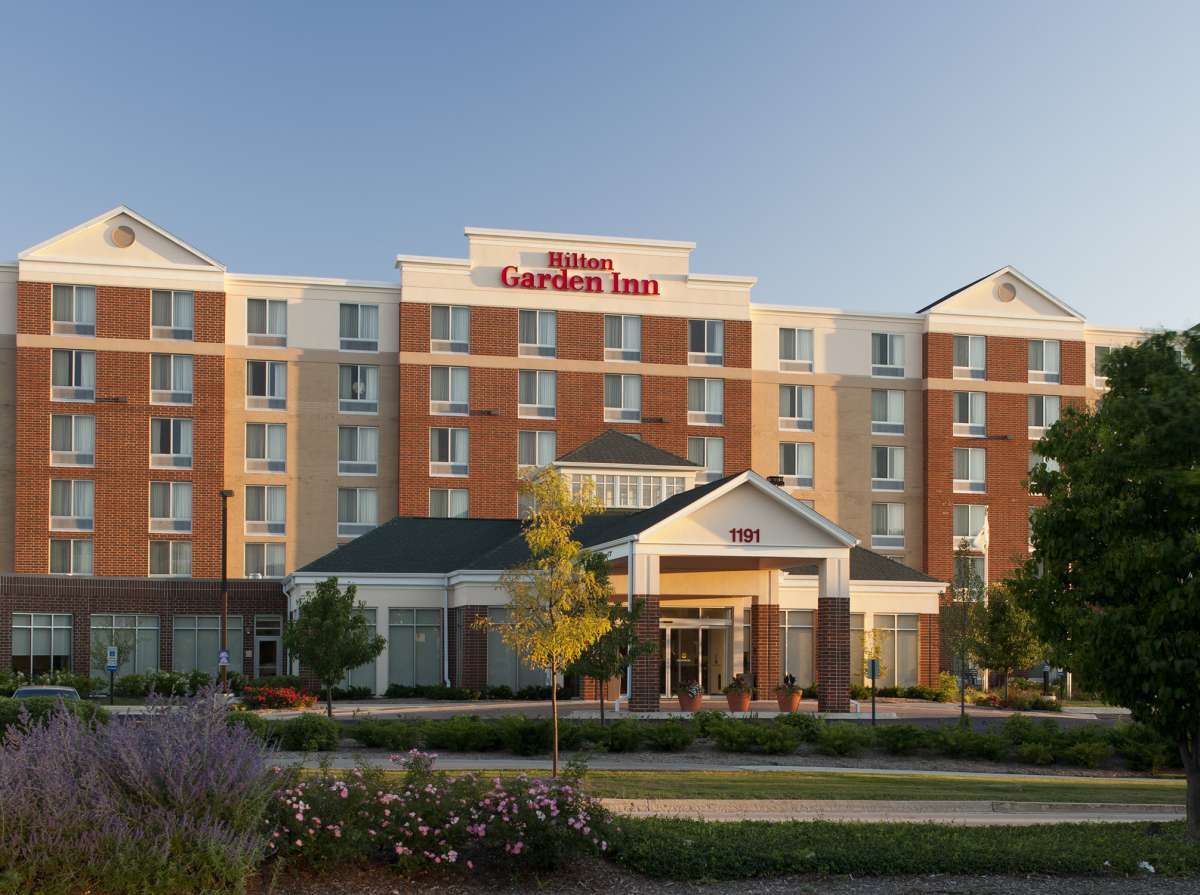
Renovation and adaptive reuse of existing communities is a growing trend in 2025, driven by high construction costs and rising demand from the baby boomer generation. Glasswater Group's project management services are rooted in complex, occupied-facility renovation experience, including nine simultaneous Hilton-branded property renovations in a volatile supply chain environment. That experience is directly applicable to senior living work, but the differences matter:
- Heightened duty of care: Residents aren't guests who chose a temporarily inconvenient hotel, they're home. The legal and ethical responsibility is fundamentally different.
- Regulatory oversight with real consequences: A licensing issue in a senior living facility can jeopardize the entire operation, not just a single guest review.
- Design tied to care outcomes: Flooring, lighting, wayfinding, and acoustics have direct implications for resident safety. The top design trends shaping senior living facilities increasingly center on health, wellness, and how built environments support aging in place.
- Community dynamics: Renovation anxiety spreads. One resident's concern can become a community concern. Communication and relationship management matter as much as construction management.
None of these challenges make senior living renovation impossible, they make it a project type where your project management partnership matters more than in almost any other context. To view our project portfolio and see how Glasswater Group approaches complex occupied-facility renovations, visit our projects page.
Ready to Plan Your Senior Living Renovation?
Senior living renovation demands a partner who understands the regulatory environment, the care delivery context, and the human stakes involved, and who takes ownership of outcomes, not just processes. Glasswater Group brings decades of experience managing complex renovations across 32 states. Whether you're planning a single community refresh or a multi-property repositioning, Contact Glasswater Group.