.svg)
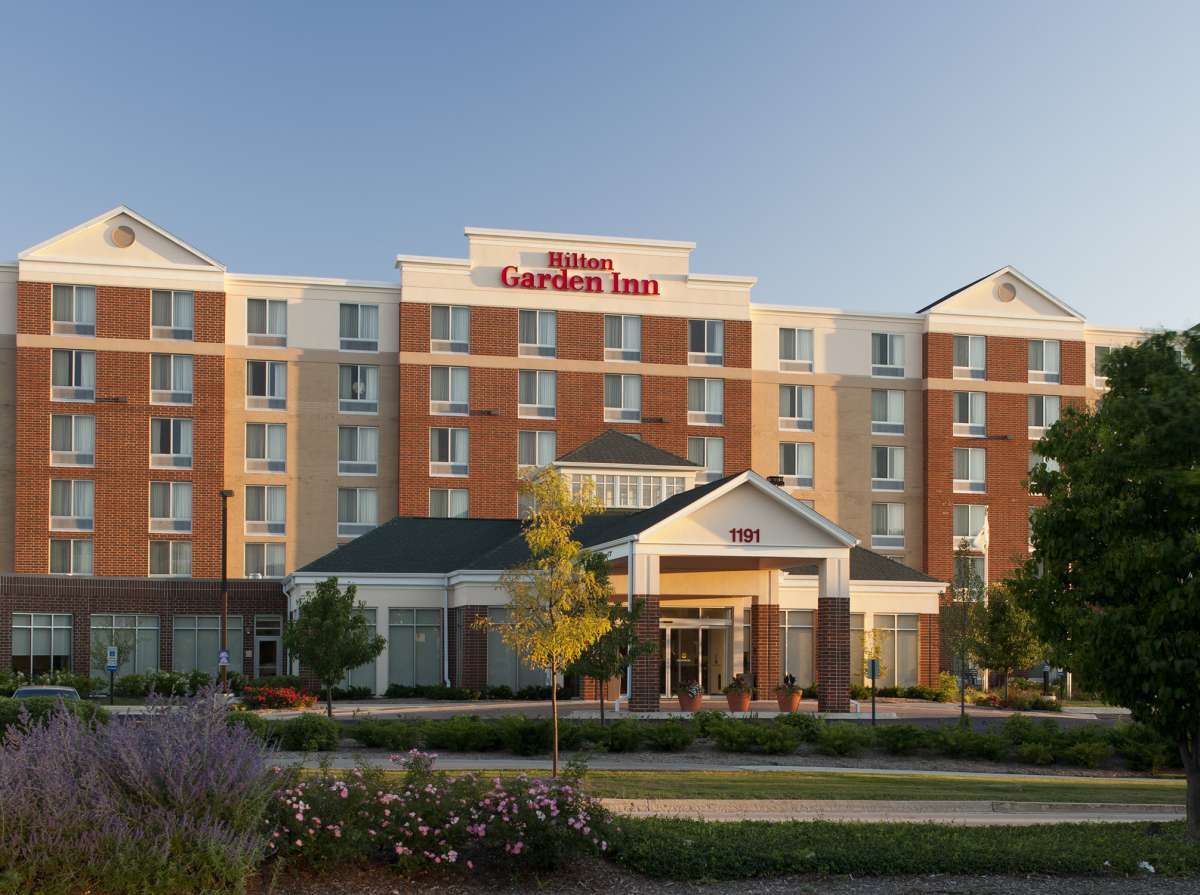
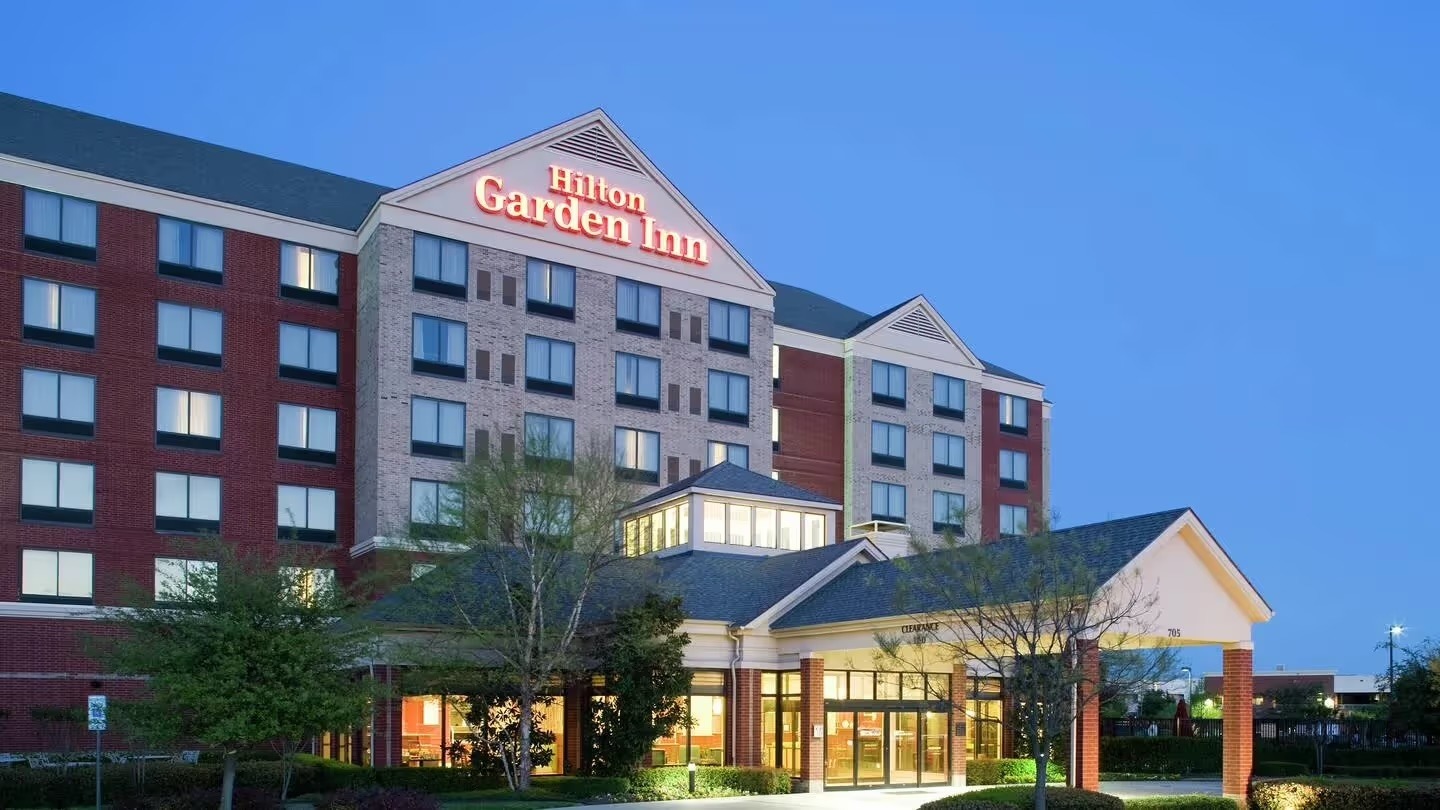
In early 2021, a client approached us with a portfolio challenge: they owned nine Hilton-branded properties, four Hilton Garden Inns, three Hampton Inn & Suites, and two Homewood Suites, spread across the United States. All needed comprehensive renovations to meet current brand standards, and the client wanted them all at once.
Travel demand was surging as the world reopened. Every week these properties sat under renovation meant lost revenue. Doing them sequentially would take years. They needed speed, but they also needed certainty around budget and timeline.
We understood the opportunity. We also understood the risk. This was in 2021, right when supply chains were fracturing, construction costs were spiking unpredictably, and finding skilled labor was nearly impossible.
We took the project and a little over a year later, all nine properties opened on schedule and within budget. This is how we did it.
The Profile of the Nine-Hotel Portfolio
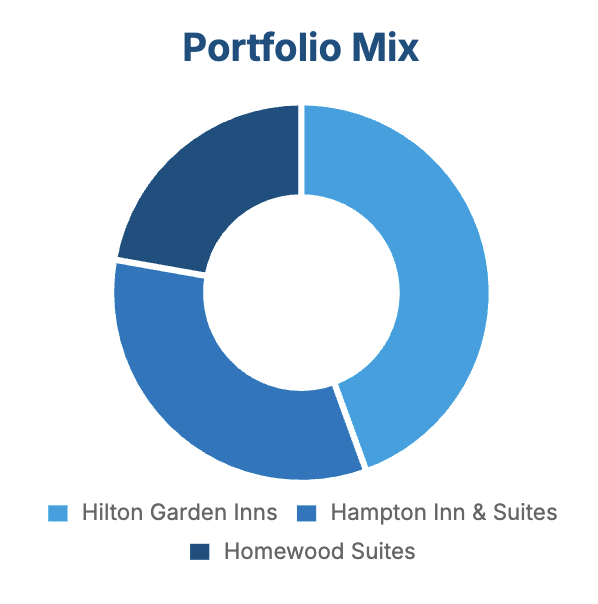
The scope varied, but every property needed substantial work.
The Hilton Garden Inn properties required complete transformations. Guest rooms got new furniture, finishes, lighting, and technology. Lobbies were redesigned. Food and beverage areas were updated to current brand standards. Meeting spaces were modernized. These weren't refresh projects, they were full repositioning efforts.
And threading through all of it: brand standards. If you've worked with major hotel brands, you know their specifications are detailed. Paint colors, furniture dimensions, fixture finishes, everything has exact standards.
The Post-Pandemic Pressure Cooker
We kicked off right as the economy was reopening. Within weeks, we started seeing challenges.
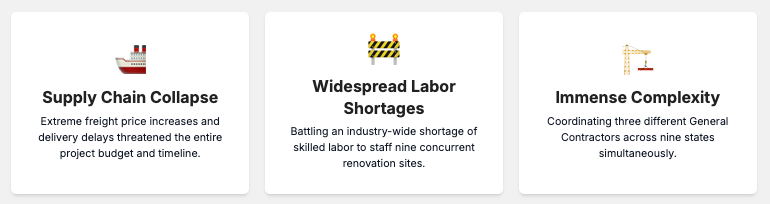
Supply chains were breaking down in real time. Manufacturers were experiencing delays: they had no idea when they could deliver. Their overseas suppliers were backed up, container ships were stuck in ports, and freight costs had doubled.
This wasn't an isolated incident. It was happening with everything. Case goods, soft goods, lighting fixtures, tile, every product category was experiencing delays and price volatility.
Labor was equally challenging. Our three general contractors were all struggling to staff their projects. The construction industry had shed workers during the pandemic, and now every project in the country was ramping up simultaneously. Skilled trades, tile installers, electricians, finish carpenters, were booked months out.
The portfolio effect amplified everything. With nine properties moving in parallel, individual problems didn't stay isolated. If a tile shipment got delayed for the Dallas property, that pushed back the schedule, which meant the tile installer we'd lined up was no longer available, which then impacted the Houston property that needed that same crew three weeks later.
We realized that our approach to monitor progress, coordinate between parties, solve problems as they arise had to be amplified. We needed to get ahead of the chaos.
Glasswater's Strategy: Three Decisions That Changed the Project
Looking back, a few strategic shifts made the difference between success and failure.
We Had Three Contractors Work as One Team
Managing three general contractors across nine sites could have been a coordination nightmare. Different reporting styles, different communication preferences, different ways of tracking progress.
We couldn't have that level of inconsistency.
In our first project meeting, we established ground rules: everyone would report progress the same way, on the same schedule, using the same metrics. Every week we received standardized updates from all three contractors. Every property used the same format. The client could look at any report and immediately understand where things stood.
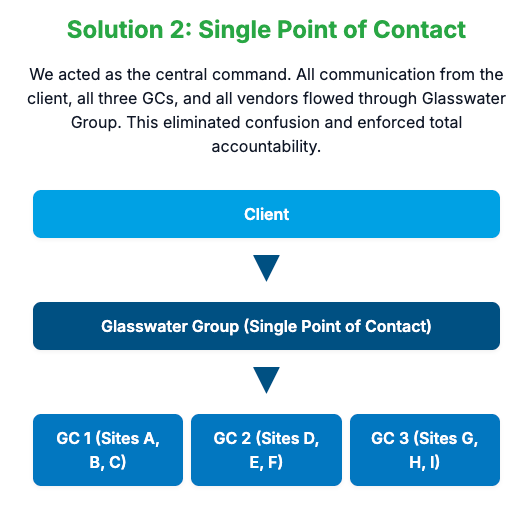
Glasswater Group also became the single point of contact for everything. Client questions came to us. Vendor coordination went through us. Design clarifications flowed through us. This wasn't about control, it was about eliminating the crossed wires that slow projects down.
The contractors actually appreciated this once they adjusted to it. Instead of fielding calls from multiple directions, they had one point of contact and could focus on construction.
The other advantage: we had portfolio-level visibility. We could see where every property stood at any moment. When a property got ahead of schedule and another property was hitting a critical phase, we coordinated with both contractors to shift a specialized crew where it would have the most impact. That kind of optimization only works when you're managing the portfolio as a unified program.
We Protected the Investment, Not Just the Schedule
It would have been easy to get lost in the day-to-day. But we kept coming back to what the client actually needed.
They needed to stay within budget. The pandemic had created cost pressures nobody predicted. When we faced unavoidable increases, and we did, we found offsets.
They needed properties open and generating revenue. Every week of delay was a week of lost income. We optimized schedules relentlessly.
They needed quality that would perform. This is where some projects get into trouble. You're under pressure on time and budget, so quality starts to slip. We couldn't let that happen.
The Outcome: The Defining Factor for Success
When the last property passed its final inspection, there was relief. Months of managing supply chain disruptions, coordinating three general contractors, and solving problems we'd never encountered before.
But the results validated the approach:
- All nine properties opened on schedule
- The portfolio came in within budget
- Every property met Hilton's brand standards
- Properties opened positioned to capture the strong travel demand
We solved each problem, but success came down to the infrastructure we'd built. The proactive work we did on procurement, contractor coordination, and risk management gave us the flexibility to adapt when conditions changed, which they did constantly.
Ready for Competent, Reliable, and Strategic Partnership?
If you're planning a hotel renovation or managing a portfolio, the market today is different than 2021, but it's not exactly stable. Supply chains are better but still unpredictable. Labor is still tight in many markets. Costs are still volatile.
The lesson isn't that you need to do exactly what we did. It's that you need a project management approach that matches the complexity you're facing.
For a single property with a local contractor you've worked with before? Traditional oversight might be fine.
For multiple properties, compressed timelines, and market uncertainty? You need something more robust. You need someone who can see problems before they become crises, who has the relationships to solve issues quickly, who understands how every decision impacts your returns.
That's the difference between project management as a service and project management as a strategic partnership.
Working with Glasswater Group
We bring deep hospitality industry knowledge, established vendor relationships, and proven project management systems to every engagement. But more importantly, we take ownership of outcomes, not just processes.
When you're making significant capital investments with compressed timelines and market uncertainty, you need a partner who understands that your success is our success.
Whether you're planning a single property renovation or managing a multi-asset portfolio, we'd welcome a conversation about your specific situation.
Ready to discuss your hotel development project? Contact Glasswater Group to explore how strategic project management can protect your investment and deliver results.